
Ten drawings by Johan Creten enter Orléans museum collections
Following the first part of the exhibition Johan Creten. Playing with fire (March 23 - September 22, 2024), the artist offers the Musée des Beaux-Arts d'Orléans ten emblematic drawings spanning his entire career.
Since the early 1980s, Johan Creten has made ceramics his medium, exploring the torments of the soul with his bestiary, but drawing, an intimate part of his work, occupies a central place in his practice. This aspect, hitherto left in the shadows, was at the heart of the exhibition held in Orléans, in the public space, where eleven monumental sculptures populate the city center until December 2025, and in the museum, where the making of the work was revealed. In this cross-view with the collections of the Musée d'Orléans, whose universe echoes that of Creten, himself steeped in classical references, the artist agreed for the first time to give pride of place to his drawings, hitherto reserved for his most loyal collectors. A hundred or so sheets, dating back to the early 1980s, enabled us to follow the artist's progress, for whom drawing offers less a space for the maturation of form than for the development of ideas. As if thinking from the tip of his brush, Creten's graphic work constructs a complex, impulsive universe where all techniques meet to elaborate a formal magma. The place given to the graphic arts at Orléans, with four cabinets in which the 13,000 drawings and 45,000 prints are presented in rotation, gives this area of the collection a special status in terms of contemporary projects, which often feature graphic techniques by artists who are less well known for them. The donation of ten drawings by Johan Creten brings one of the great artists of his time into this reference collection.

Johan Creten, The Eye (self-portrait), 1996, black pencil and gouache on kraft paper, 51 x 61.5 cm, inv. 2025.6.10 
Johan Creten, When I'm good but I'm very good, buut when I'm bad I'm better, 1996, black and colored pencil, acrylic and watercolor on paper, 56.5 x 76 cm, inv. 2025.6.9 
Johan Creten, Study for Under Attack, pencil, ink, pastel and acrylic on paper, 32 x 24 cm, inv. 2025.6.8 
Johan Creten, Bread is at the head of everything,1996, gouache, coloured pencil, watercolour and acrylic on paper, 76 x 56.5 cm, inv. 2025.6.7 
Johan Creten, The Sisters (four studies for Women without Shadows), 1994, collage and acrylic on paper, 50 x 65 cm (each), inv. 2025.6.6 
Johan Creten, The Sisters (four studies for Women without Shadows), 1994, collage and acrylic on paper, 50 x 65 cm (each), inv. 2025.6.5 
Johan Creten, The Sisters (four studies for Women without Shadows), 1994, collage and acrylic on paper, 50 x 65 cm (each), inv. 2025.6.4 
Johan Creten, The Sisters (four studies for Women without Shadows), 1994, collage and acrylic on paper, 50 x 65 cm (each), inv. 2025.6.3 
Johan Creten, Drawing 23, 1988, digital drawings, acrylic wash, nails and felt pen on paper, 76 x 56.5 cm, 2025.6.2 
Johan Creten, The Kiss, 1996, colored pencil, acrylic and gouache on paper, 56.5 x 76 cm, inv. 2025.6.1
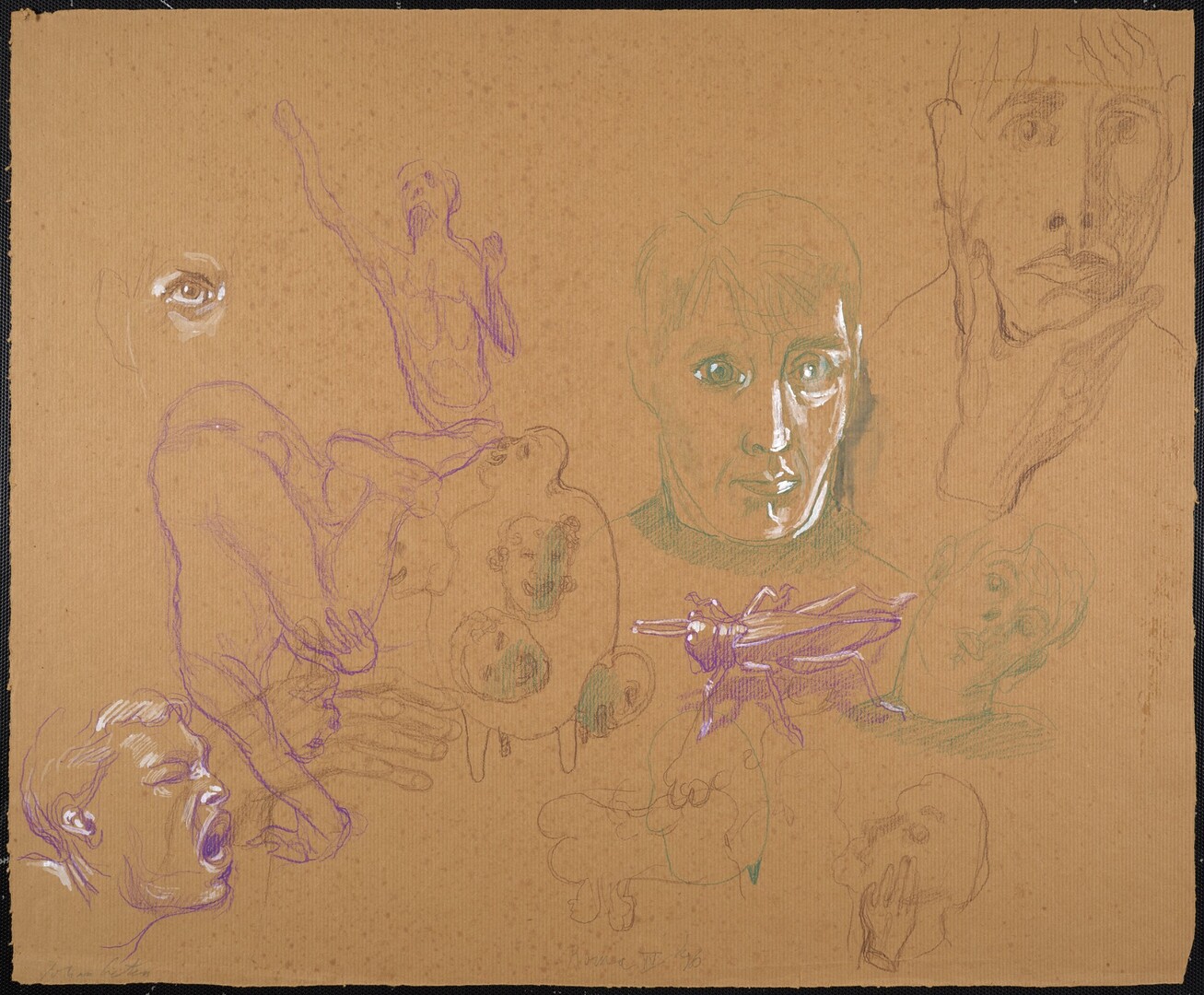
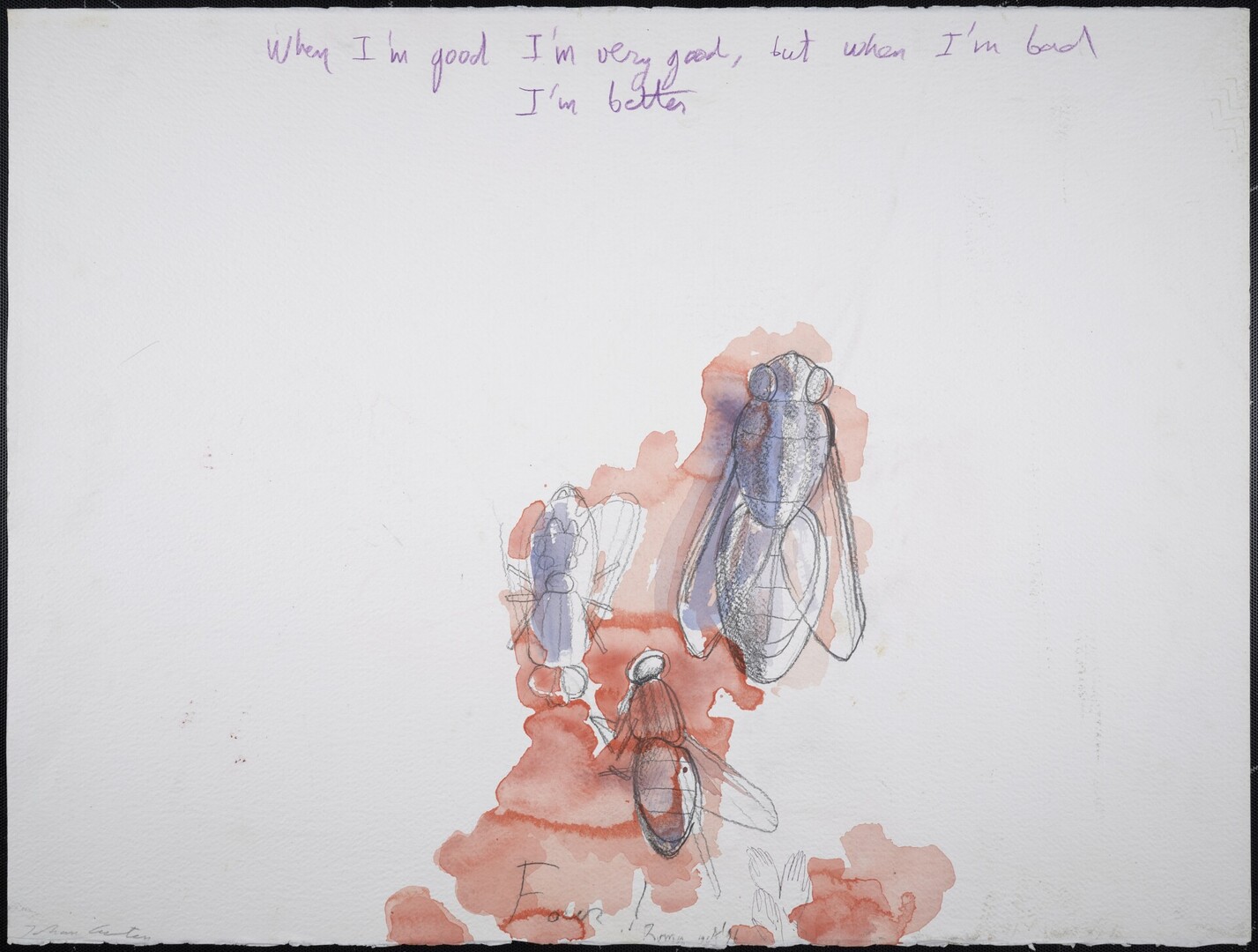
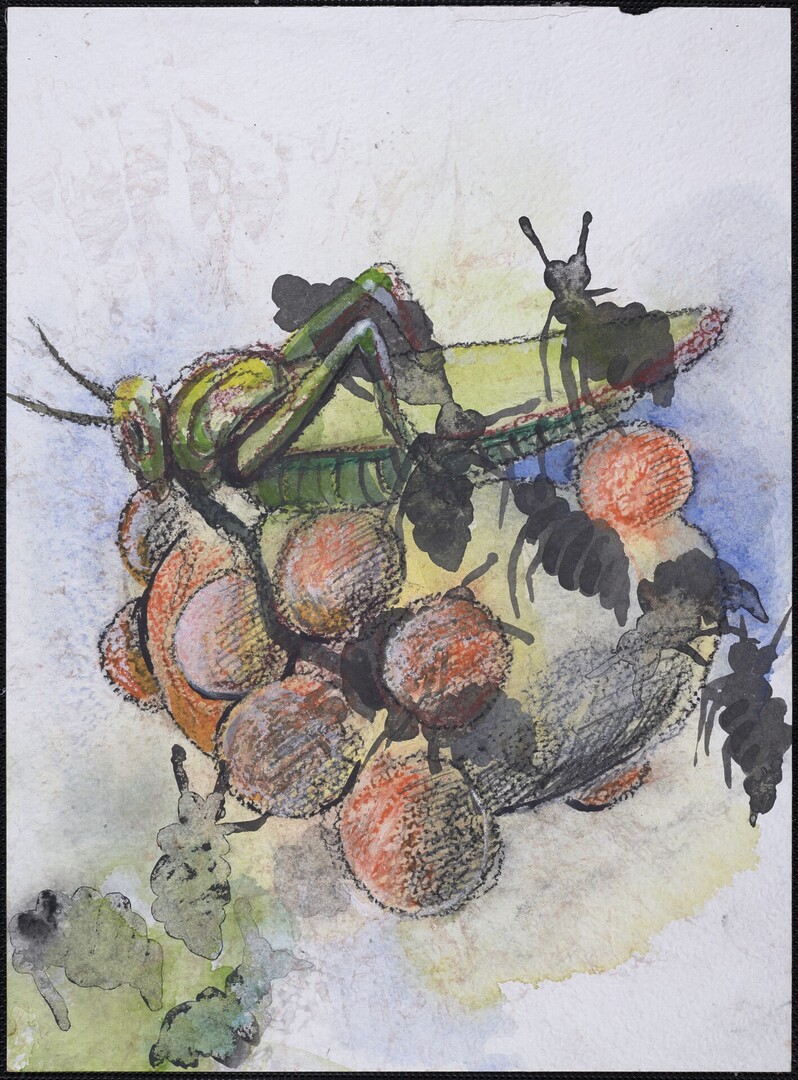
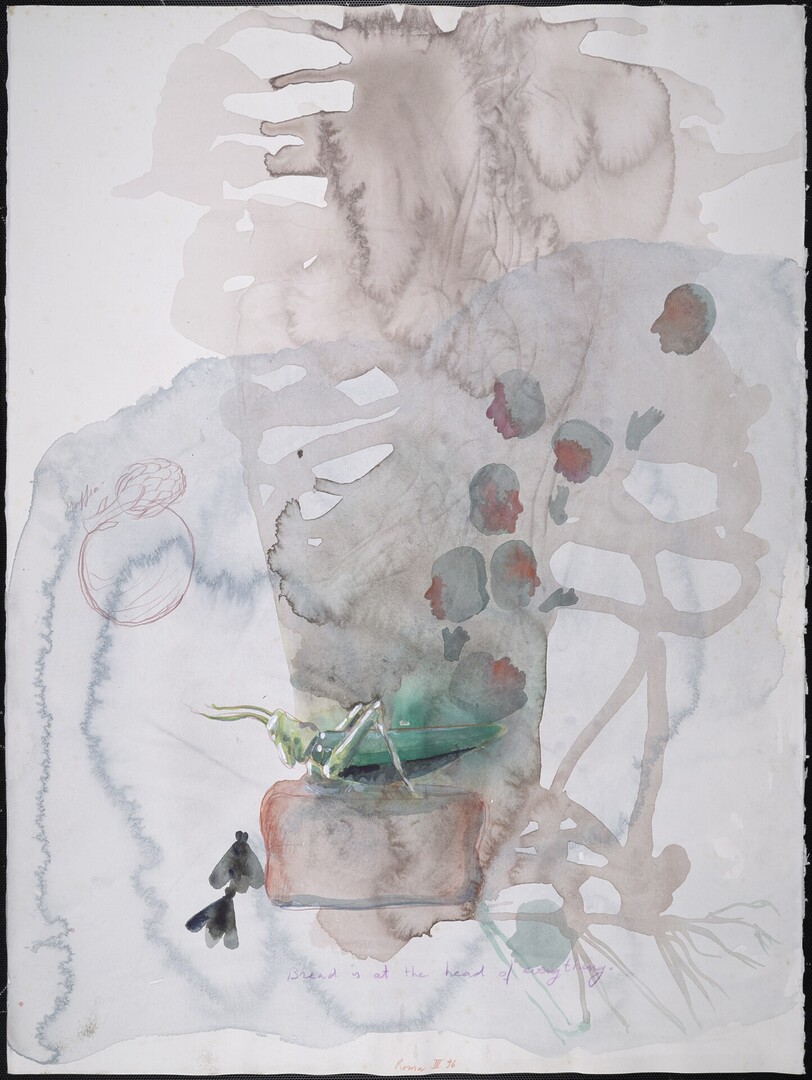
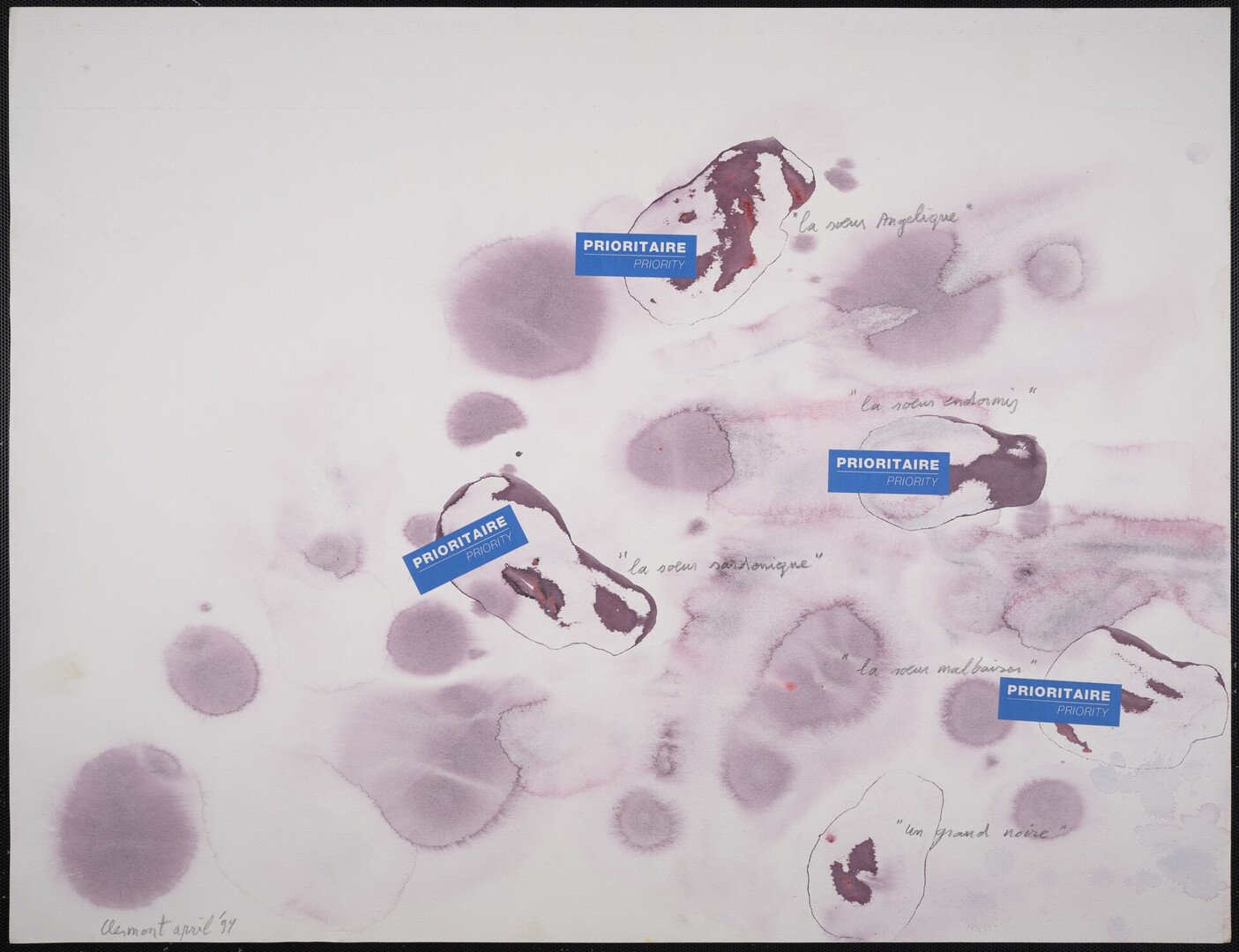
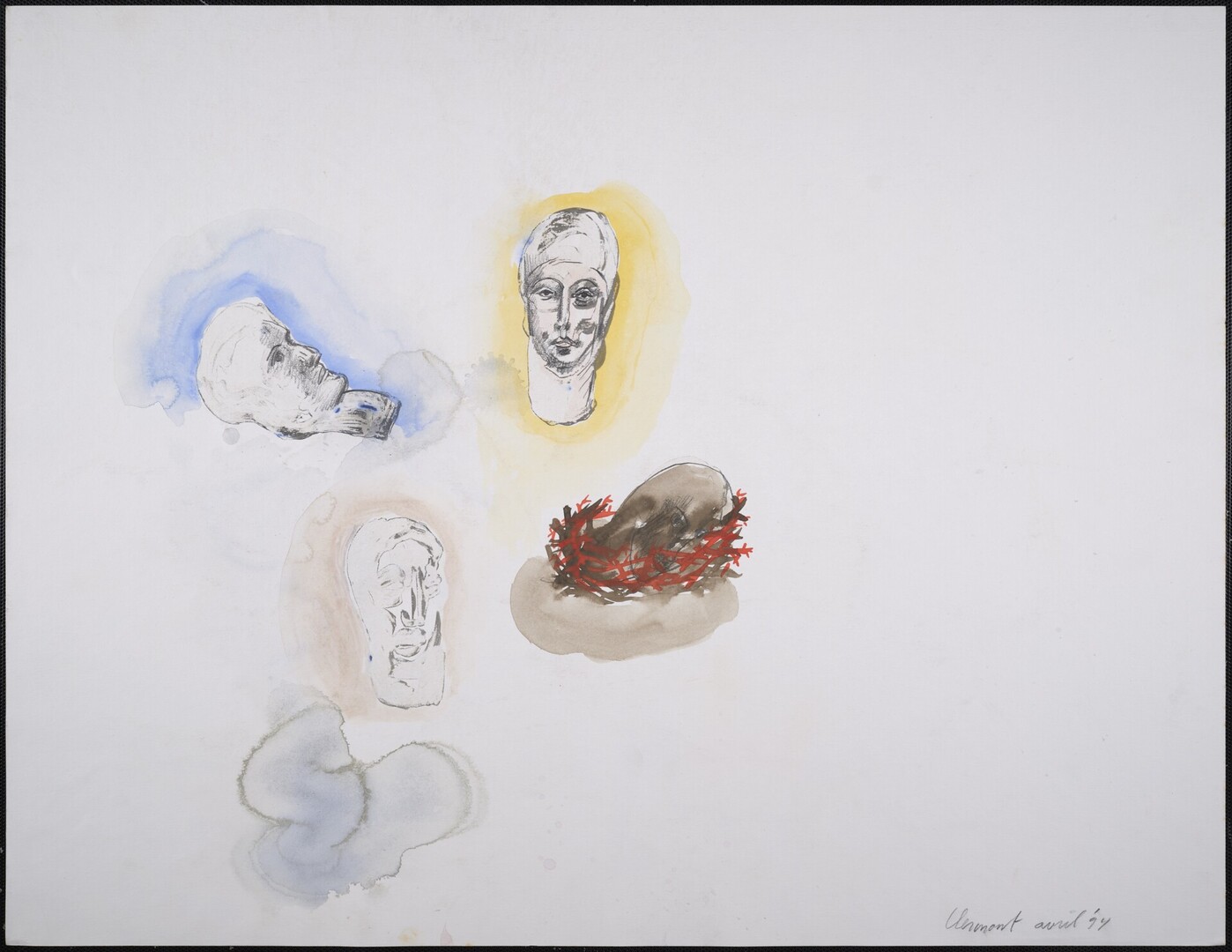
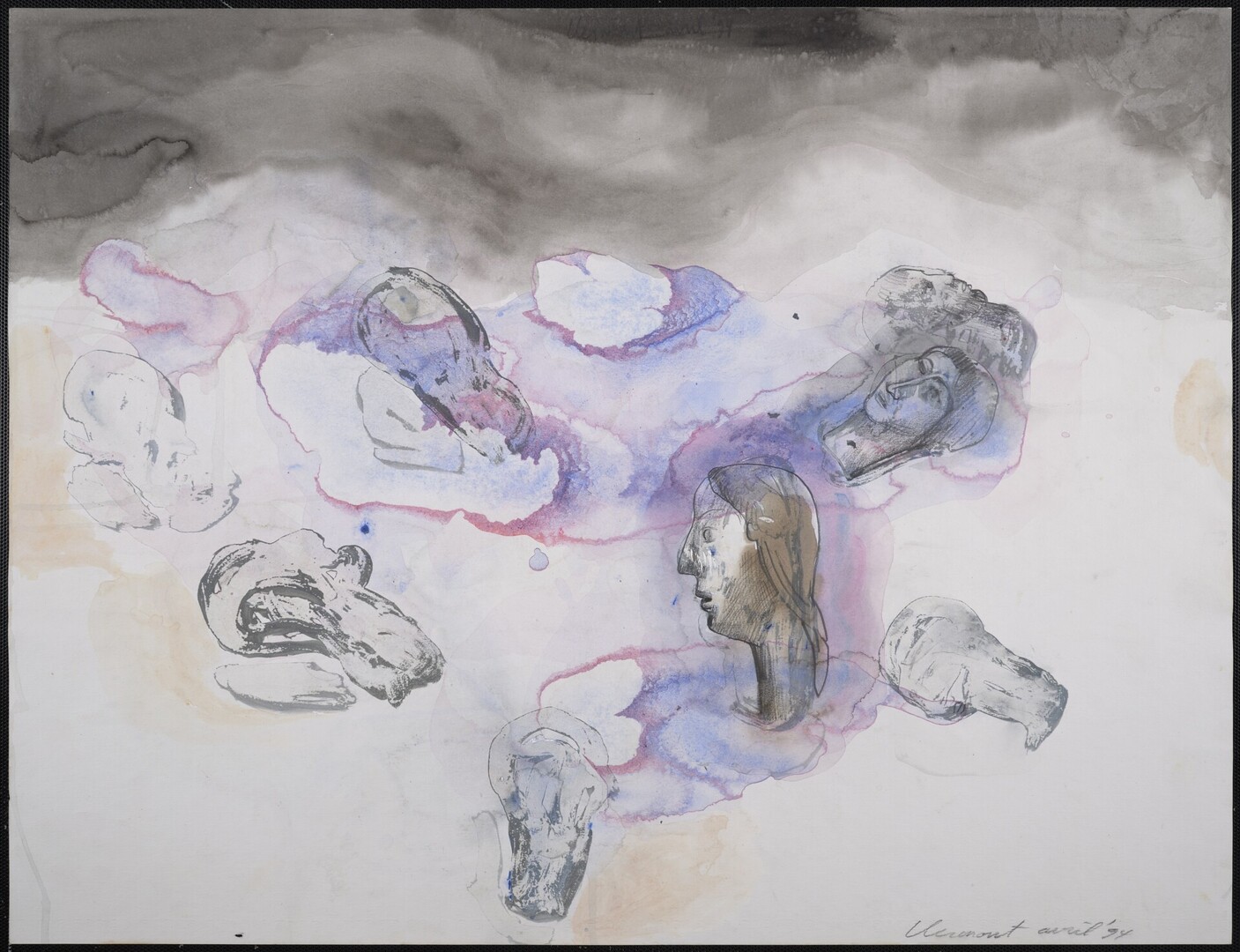
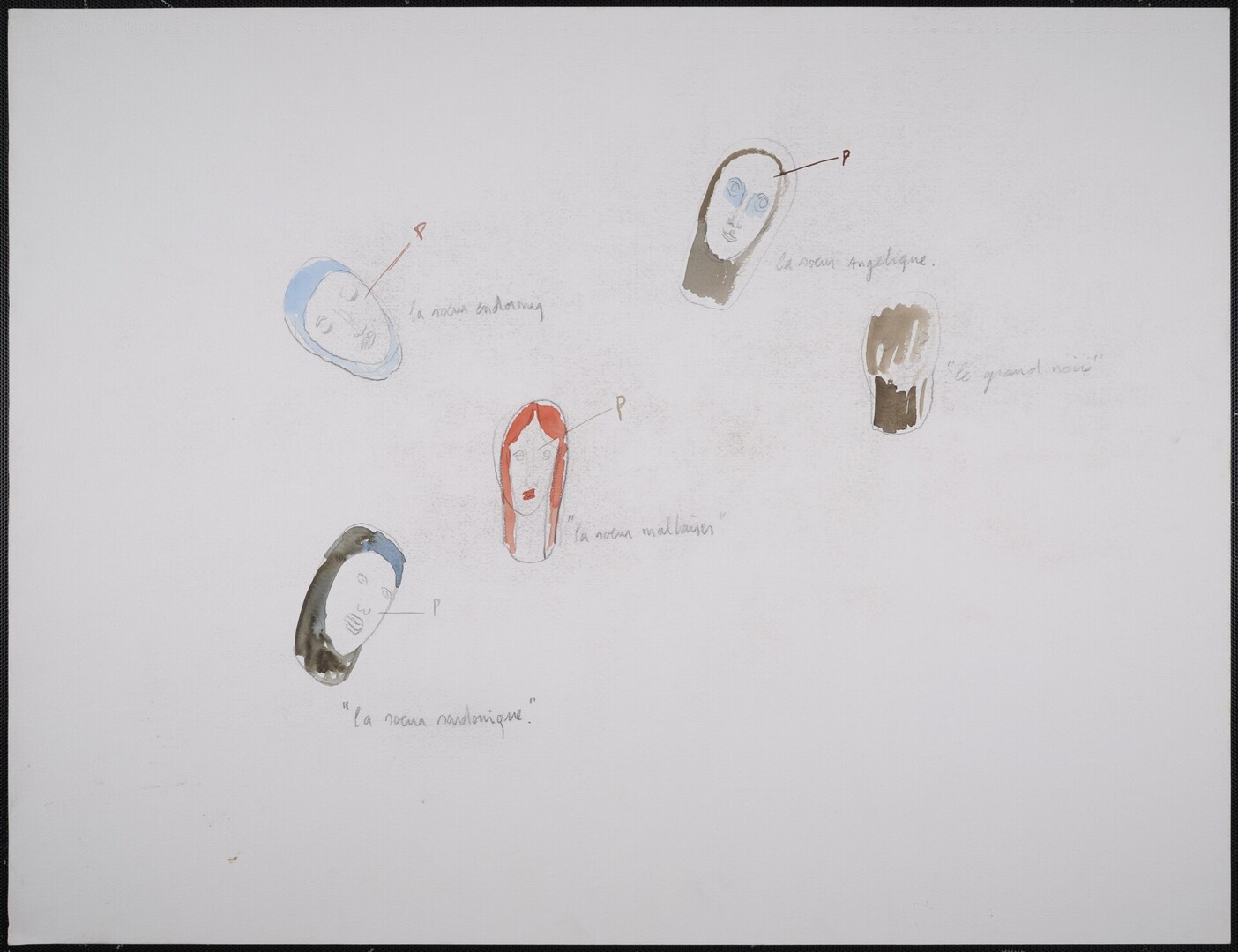
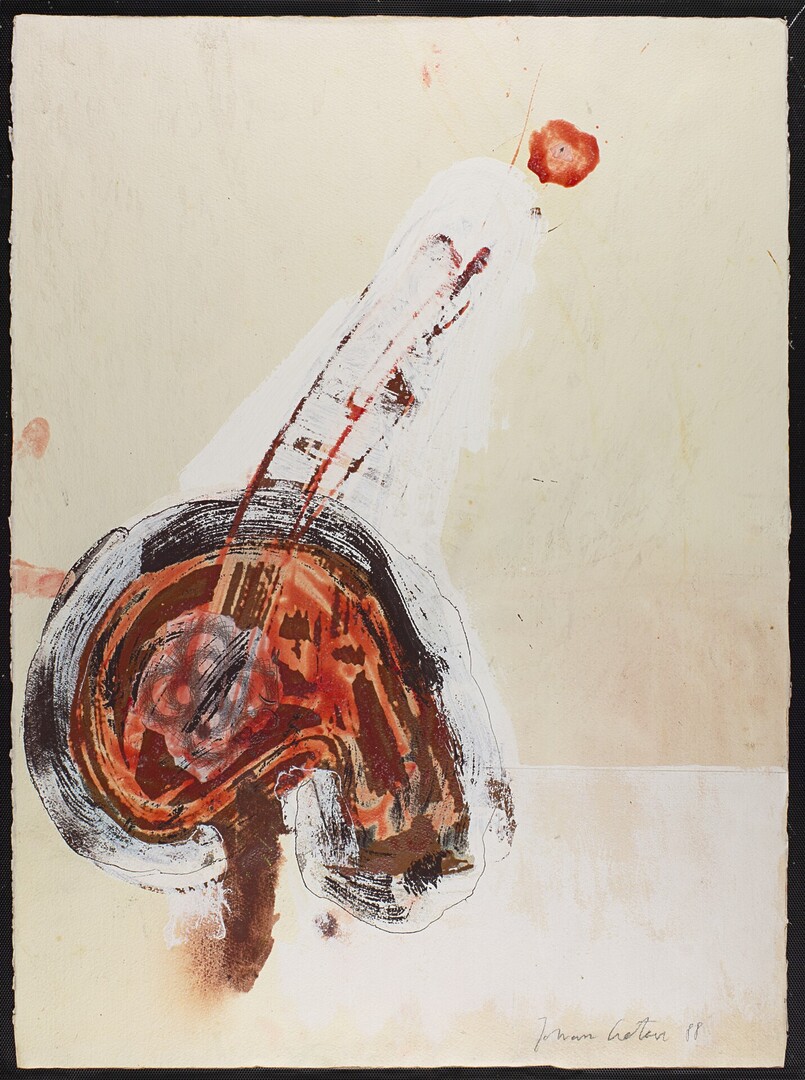
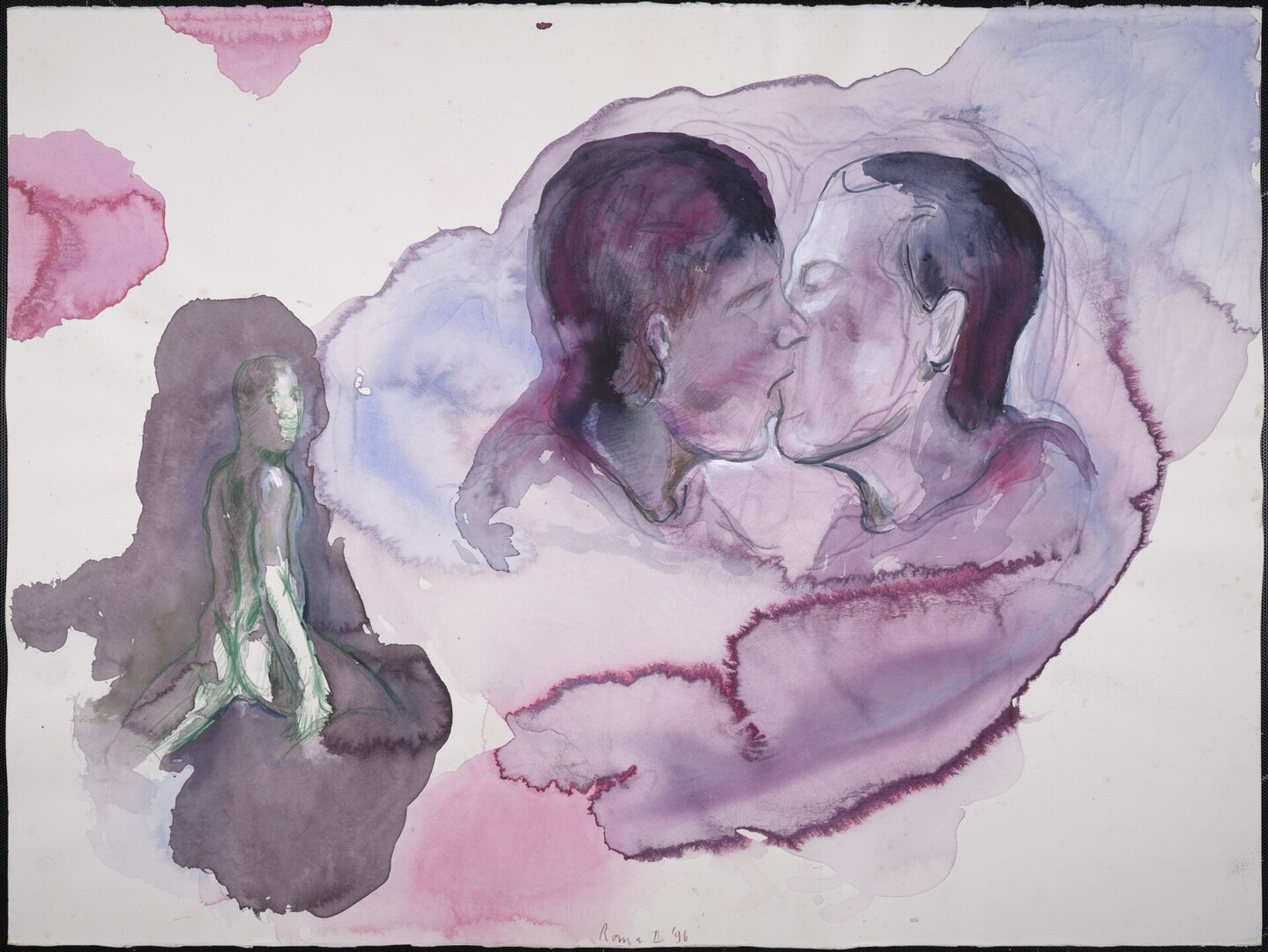
Under attack, in pastel, completes the collection of works in this technique, one of the most important in the world; The Eye, a self-portrait of the artist on kraft paper, and Le Baiser, emblematic of Creten's struggles in the 1990s, shed light on his autonomous, introspective drawings; Four sheets developing the idea that would become Les Femmes sans ombre discuss the preparatory process; When I'm good I'm very good, but when I'm bad I'm better and Bread is at the head of everything embody the text-based drawings dear to the artist, the process of which Orane Stalpers has explored in the exhibition catalog. Dessin 23, one of the artist's earliest and most personal works, takes a visionary look at the rivalry between the brain and computers in the 1980s.
These ten sheets, among the most structuring in the catalog, cover the issues in Creten's work and significantly enrich the museum's contemporary collection.
Exhibition catalog : Johan Creten. Playing with fireco-published by Musées d'Orléans / Johan Creten - La Solfatara, 2024, texts by Claire Barbillon, Matthieu Lelièvre, Peter Marino, Orane Stalpers, Olivia Voisin, 312 pages